Located in central Poland, Radom has a history stretching back more than a thousand years. From its beginnings as a fortified medieval settlement to its role in major political events of the Polish Kingdom, the city has long been connected with the development of the Polish state.
Today, Radom is a modern regional centre in the Masovian Voivodeship, but its historic identity remains visible in its churches, streets, archaeological sites and cultural traditions.
The city’s story is one of transformation: from a medieval stronghold on the Mleczna River to a royal town, industrial centre and community shaped by generations of change.
Early Settlement Along the Mleczna River
The origins of Radom can be traced to early medieval communities that settled in the Mleczna River valley between the 8th and 9th centuries.
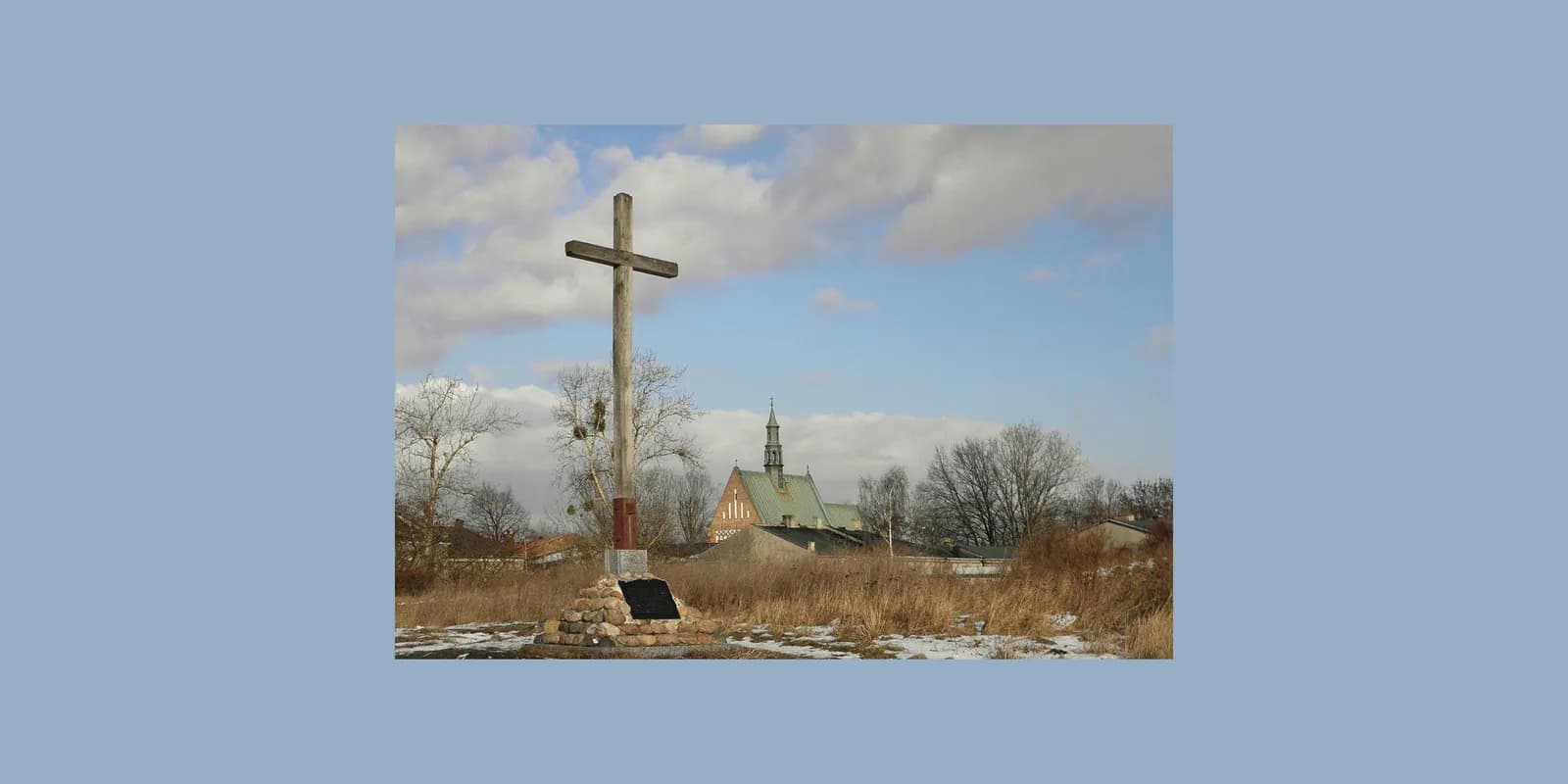
By the 10th century, the area had developed into a fortified settlement known as the Piotrówka gord. Surrounded by defensive earthworks and a moat, it became an important local centre during the early formation of the Polish state.
Archaeological discoveries provide evidence of settlement activity and trade in the area, although historians continue to study the exact development of the earliest community.
The first written mention of Radom appears in a papal bull issued by Pope Adrian IV in 1155. This record confirms that the settlement had already gained regional importance by the mid-12th century.
The Growth of a Medieval Town
Radom’s development accelerated during the 13th century as it gained greater administrative and economic importance.
Before 1300, Prince Bolesław V the Chaste granted the settlement a Środa Śląska town charter, based on the traditions of Magdeburg Law. This provided a framework for local government, trade and urban organisation.
A major period of growth came under King Casimir III the Great in the 14th century.
In 1350, the king established a new urban area alongside the older settlement. The development included defensive walls, a royal residence and new administrative structures, strengthening Radom’s position as an important royal town.
In 1364, Radom received a new town charter based on Magdeburg Law, confirming its growing role within the Kingdom of Poland.
Radom and the Politics of the Polish Kingdom
Radom’s location helped shape its political importance. Situated between the historic regions of Lesser Poland and Mazovia, the city stood on routes connecting important centres such as Kraków, Warsaw, Lublin and eastern territories. This made it valuable for trade, administration and communication.
In 1401, Radom became the setting for the confirmation of the Pact of Vilnius and Radom, an agreement that strengthened cooperation between the Kingdom of Poland and the Grand Duchy of Lithuania.
More than a century later, the city gained even greater historical significance.
In 1505, the Polish Sejm gathered at Radom Castle and adopted the Nihil novi act. The legislation limited the monarch’s ability to introduce new laws without the approval of the nobility and became a key moment in the development of Poland’s political system.
This event remains one of the most important chapters in Radom’s history and connects the city directly with the political evolution of the Polish–Lithuanian Commonwealth.
Heritage of a Royal and Trading City
Radom’s role as a royal town helped it develop as a centre of administration, crafts and regional trade.
The city benefited from its position between major regions, allowing merchants and craftsmen to contribute to its economic growth.
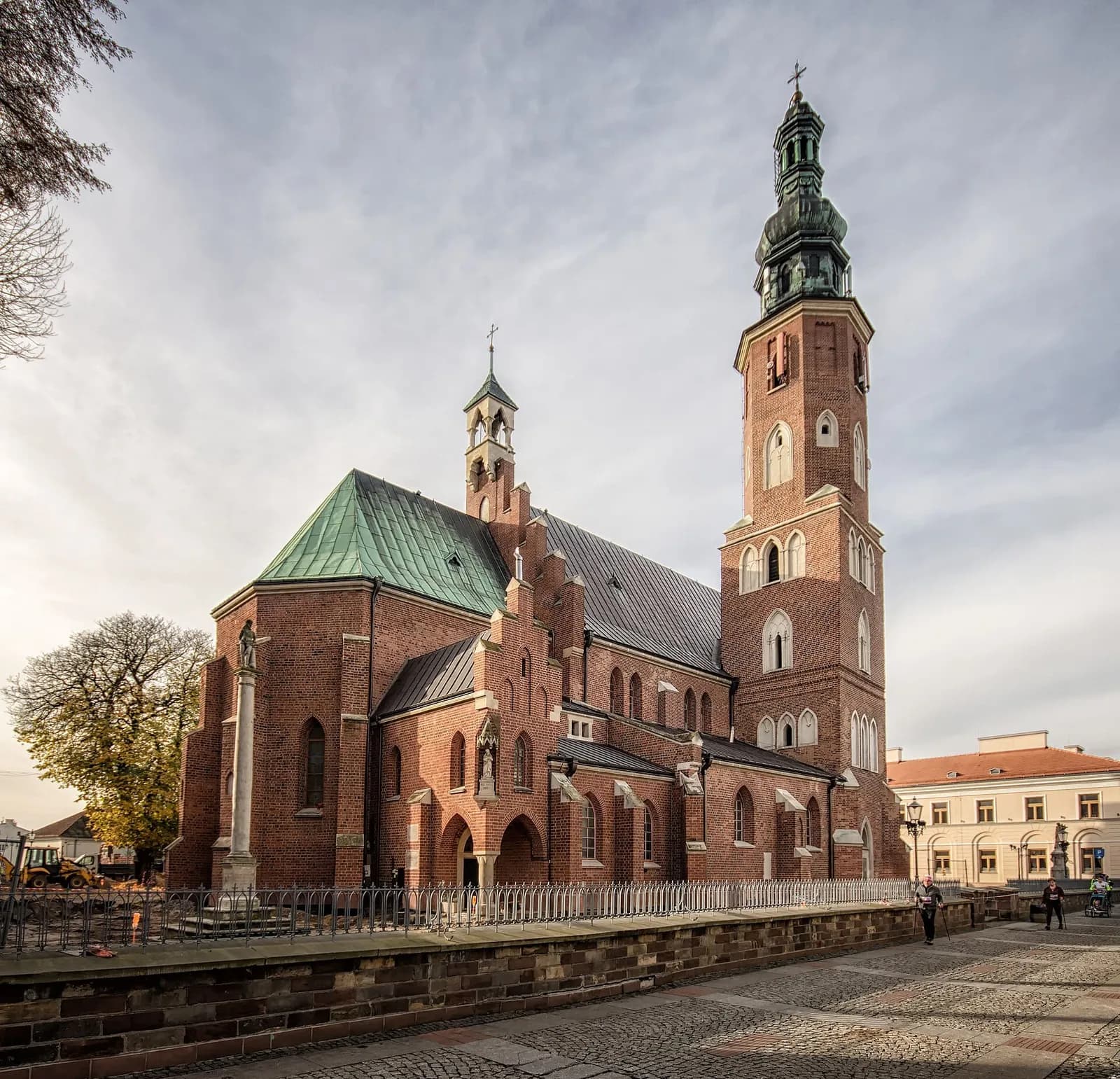
Many reminders of medieval Radom remain today. The Church of St. Wenceslaus, dating from the 12th century, is the oldest surviving church in the city and an important symbol of its early history.
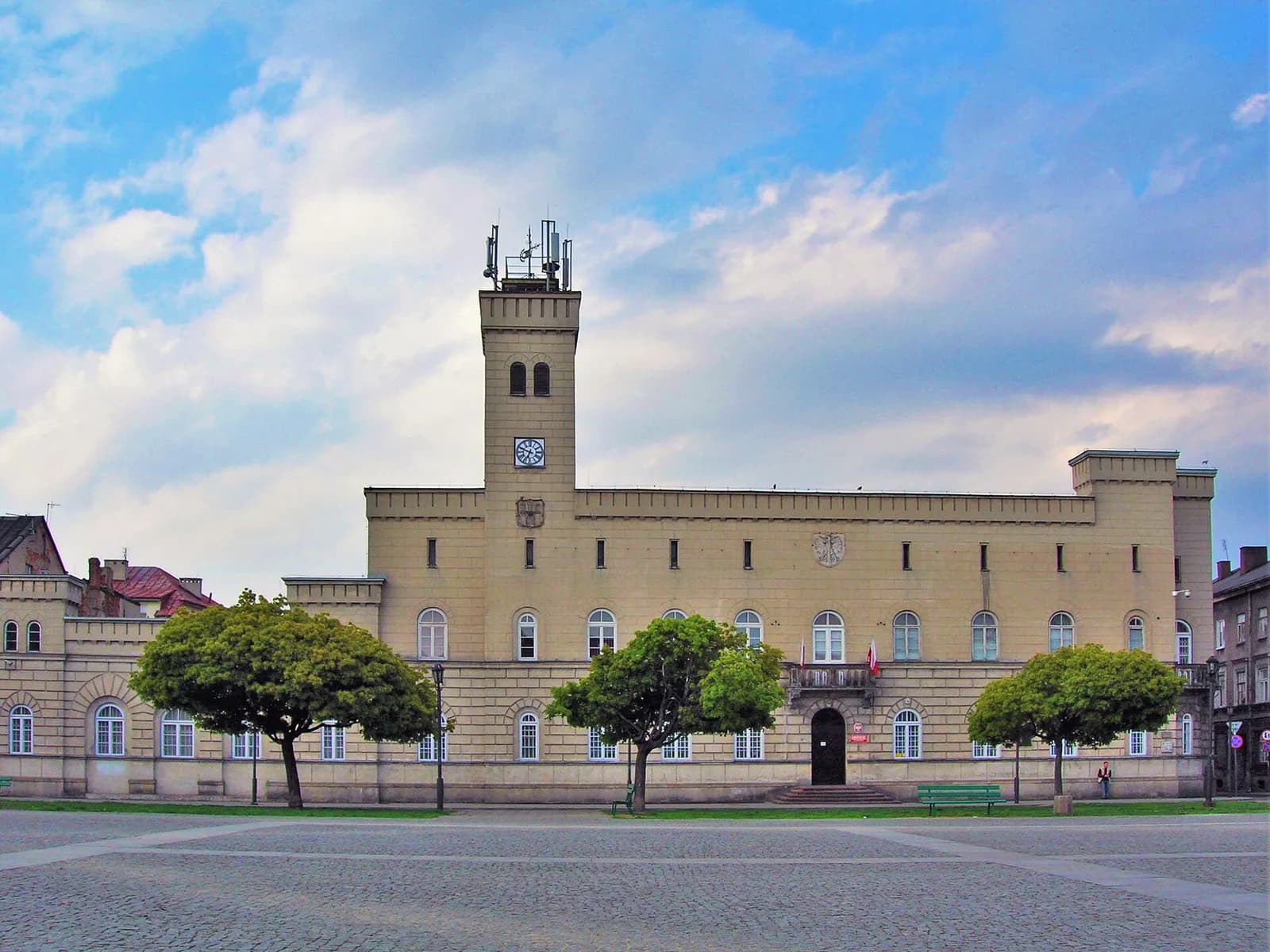
The Old Town area preserves the historic layout of the medieval settlement, while museums and cultural institutions continue to explore Radom’s role in Polish history.
From Industrial Growth to Modern Challenges
Like many Polish cities, Radom experienced major changes during the 19th and 20th centuries.
Industrial development transformed the city, creating new employment opportunities and changing its urban landscape. Over time, Radom became known for manufacturing, aviation-related industries and skilled workers.
The 20th century brought periods of political change and economic challenges. After the Second World War, the city developed within the framework of communist Poland before adapting to the social and economic changes that followed 1989.
Today, Radom continues to focus on investment, education, culture and improving quality of life for residents.
Radom Today: A City Building on Its Heritage
Modern Radom combines historical preservation with contemporary development.
The city hosts cultural events, supports local businesses and continues to invest in public spaces and infrastructure. Institutions such as museums and cultural centres help connect younger generations with the city’s past.
Radom’s heritage is also an important part of local identity. Residents continue to celebrate the city’s royal connections, historic landmarks and role in Poland’s political story.
At the same time, Radom is not only looking backwards. It is a living city with universities, businesses, community organisations and cultural initiatives shaping its future.
Why Radom’s History Still Matters
Radom’s story reflects a wider theme in Polish history: the importance of regional cities in shaping national events.
While places such as Warsaw and Kraków often dominate historical discussions, cities like Radom played important roles in administration, trade and political decision-making.
Its medieval foundations, royal traditions and modern ambitions show how historic cities can preserve their identity while continuing to evolve.
Radom’s journey from a fortified settlement beside the Mleczna River to a modern Polish city is a story of resilience and adaptation.
Its medieval churches, royal connections and political milestones remain central to its identity, while today’s residents continue to shape the next chapter of the city’s history.
Radom is not only a place where important events happened. It is a living community where the past continues to influence the present and inspire the future.